Monday, July 11, 2016

Key factors to consider when using Influencer Marketing

Influencer Marketing Insights You Need to Know Today1

Written with a spelling mistake or two and from someone I didn’t know. I went close to ignoring it.
I think you are doing a great job with your blog and hope that you can share that with businesses here in New Zealand….Do you have any information on your costs?
The art of creating and publishing online was revealing its promise.
Digital global content was defining the discovery of a personal brand. It was a revelation.

The pervasive content marketing strategy that we had worked on and created over time was working.

I then came across the annual Edelman Trust Barometer report which backed up the dinner insight. If your content or brand is seen just once your credibility and trust level is 6%. If it is noticed 3-5 times then it goes to 60%.
Edelman influencer marketing
Being ubiquitous online is critical to brand trust building. So it wasn’t just the content that grows brand awareness. It was much more.
Global brand awareness powered by distribution on social also creating ripples in the data space time universe.

Data defines your brand

So content is not the only factor.
The sifting and tabulating of content with tweets, shares, traffic and even search engine authority are in the mix.
Machines are now looking for you. Are you noticed? Do you move the needle?
Technology is now measuring and evaluating the noise online. This has brought the “Influencer” into the marketing mix and it is now longer a fad but a “breakout trend” according to the data revealed in Google Trends.

Influencer marketing is not new

Mass media has being tapping into the stars and personalities of sport, popular culture and movies for decades. That is why Nike signed Tiger Woods and Basketball stars like LeBron James that are household names around the world
Minecraft has used YouTube influencers to help sell its game for years. It’s annual conference is also about training it’s passionate users to create content on YouTube. This has led to the rise of Minecraft influencers with tens of millions of YouTube views and subscribers.
Influencer marketing
So the concept is not new. It’s just the medium has changed.

#1. Influencers are no longer just on YouTube

They are on Twitter, Instagram and even Snapchat.
recent post on Buffer illustrated the power of Instagram influencers to sell fashion. 50 Instagram influencers were used to showcase one dress from a the fashion label Lord and Taylor.
It sold out the next weekend!
Instagram influencers

#2. The rise of influencer technology

To keep it simple it is useful to break the technology into two categories. Platforms and tools.
We can distinguish Influencer tools versus platforms this way:
Influencer tools can be used to find influencers around content and the social networks and media. Influencer platforms are where you can sign up to connect brands with influencers and manage the process. But they are sometimes combined.

Platforms

Here are 3 very different influencer platforms worth checking out.
Influencer marketing
For reviews, overviews and even some Instagram only influencer platforms here are some more resources worth checking out.

Tools

Influencer tools are the research machines to do the homework. They can help you identify who are the author’s, blogs and influencers that are creating the most buzz around your topics.
3 tools worth checking out are:
  1. BuzzSumo
  2. Traackr
  3. Followerwonk
For a more complete list you can check out Lee Odden’s post “9 Tools To Discover the Influencers in Your Industry”

#3. Traditional digital advertising is less effective

Ad blocking technology and the ever changing behaviour of the computer user is now becoming a real issue. Banner blindness of the traditional digital website banner is a fact. The data also reveals that only 2.8% of online browsers think that ads are relevant.
Here are some facts revealed in a Hubspot post that show the extent of these changes.
  • Ad blocking grew by 41% globally in the last 12 months. (Source: PageFair)
  • There are now 198 million active ad block users around the world. (Source:PageFair)
  • A 2013 study revealed that 28% of respondents admitted to hiding their activities from advertisers — second only to criminals. (Source: Pew Research Center)
This is leading to native advertising, sponsored content and influencer marketing becoming some of the most effective ways to engage with your target audience.

#4. You now need to pay them

There is different opinions on this. But an influencer and an online thought leader has earned the right to be rewarded. They have put the time and effort into developing expertise, reach and put years of unrelenting effort.
Just because the medium has changed doesn’t mean its free. But the web has created a culture of free.
Nike and other brands pay big bucks for mass media influence because they know it works. Niche influencers that are on Instagram, YouTube, Snapchat and Twitter can be very effective in building a brand’s engagement and trust with its targeted audience.
The rise of the influencer platforms that connect influencers and brands is changing the game. The use of the mobile apps such as used by the Tribe platform are making it simple and easy to bring influencers and talent agents together.
Tribe influencer marketing app

#5. Influencers are not just journalists

Journalists were one of the first media gatekeepers. Many PR companies, digital agencies and brands are still treating influencers like a journalist.
There is a big difference.
A journalist is paid by media to write about events that are happening in your city or around the world. They are on the payroll. They are paid an hourly rate or contracted to attend an event. Maybe even paid by the word.
Influencers aren’t paid a wage.
They only make money from their blog, products they sell and other multiple revenue streams. It’s time to stop taking them for granted or just throw freebies and baubles at them.

#6. Its about niche influence

Kim Kardashian is popular for popularity’s sake.
What is her expertise? Being popular. What does she offer? Large mass media and social reach. It is visible and obvious
But now the big data machines can find the veins of gold in smaller but global niches that in the past were hidden.
In this knowledge economy they are seen as subject experts. They usually have higher engagement with their audience as they are more about education than just entertainment. Often they won’t have an audience on social networks of millions but still have influence within their tribe.
They can also be found on Twitter.
Twitter influencer marketing
Infographic source: Twitter
To help scale niche influence you will need to coordinate with several of these to create the impact you may be looking for.
Kerry Jones in a post on Marketing Land has this to say about this approach “Coordinating…..so the influencers spread your content or message within the same time frame to increase the appearance of popularity” is key.

#7. Influencer marketing needs goals

In the past the blunt role and primary goal of the mass media influencer was “awareness”. This goal sits at the top of the funnel.
But in an article on Social Media Today Kirsty Sharman highlights what she believes what most businesses are looking for from influencer marketing.
Getting others talking about your brand
 Infuencer marketing goals
Why?
Because she says it it creates three types of influence. “Liking, authority and social proof” as listed in Robert Cialdini’s book “Influence: The Psychology of Influence and Persuasion“.
For small and medium businesses they will want something more measureable as well.
Traffic, leads and sales.

Thursday, April 21, 2016

My favorite 90 year old Elizabeth R - Watch Elizabeth at 90 - A Family Tribute Thursday 9pm ( GMT) BBC1

http://www.filmon.com/tv/bbc-one  Thursday 9pm  GMT BBC A Family Tribute BBC1

Family portrait shot by Annie Leibovitz shows first nonagenarian monarch surrounded by her five great-grandchildren and two youngest grandchildren

The Queen with her great-grandchildren and two youngest grandchildren
 The Queen with her great-grandchildren and two youngest grandchildren, from left to right: James, Viscount Severn and Lady Louise, Mia Tindall, Princess Charlotte sat on the Queen’s lap, Savannah Phillips, Prince George and Isla Phillips.
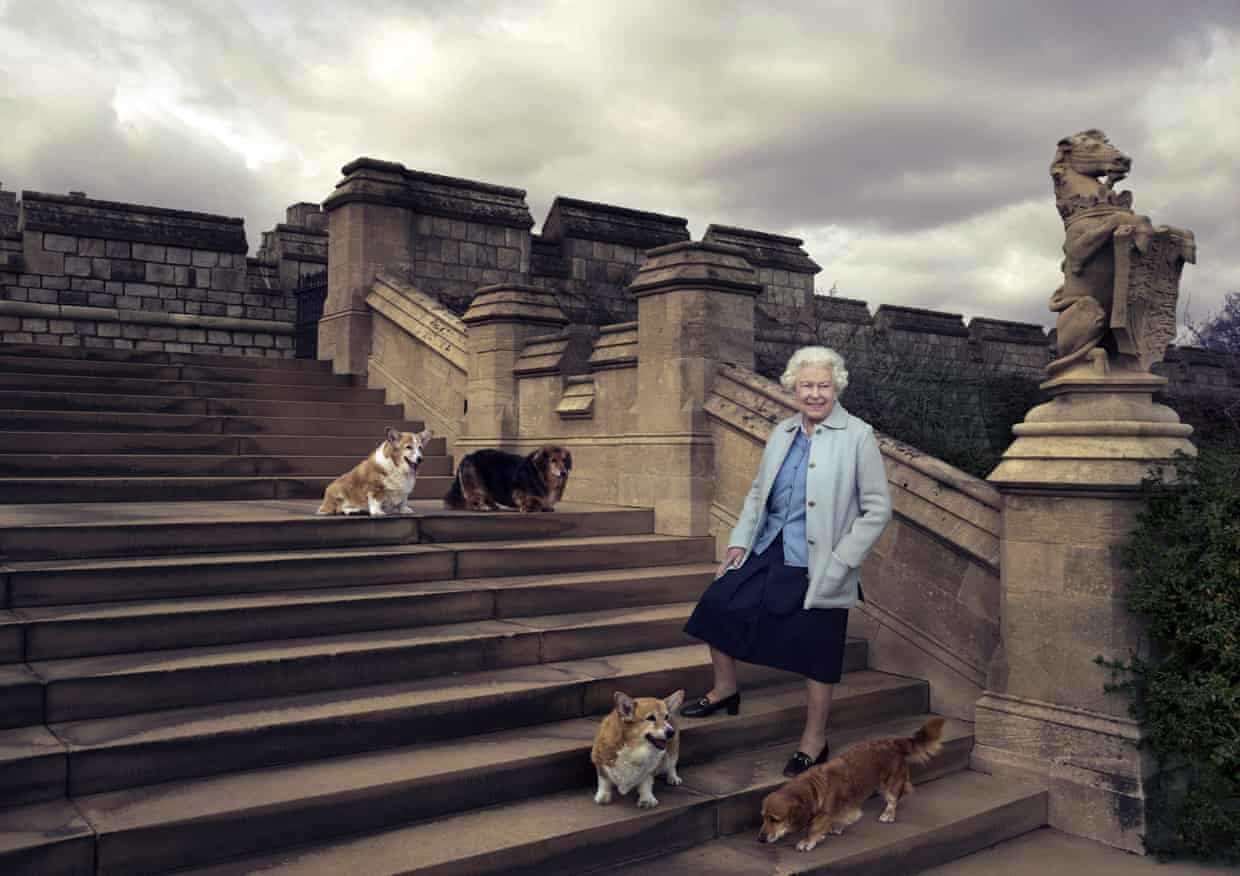
Queen and her dogs
cebookTwitterPinterest
 The Queen poses in the private grounds of Windsor Castle with four of her dogs Willow (top right), Vulcan (top left), Candy (bottom right) and Holly (bottom left). 
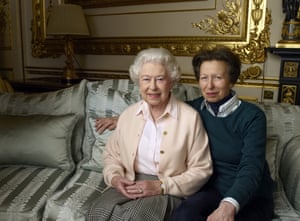
The Queen with her daughter, princess Anne
FacebookTwitter


Pinterest
 In this official photograph, Queen Elizabeth II is pictured with her daughter, princess Anne, in the White Drawing Room at Windsor Castle on 20 April 2016. 

Celebrations are taking place around the country on the day the Queen turns 90.

Crowds lined the streets in Windsor as the monarch took part in a walkabout, and royal gun salutes have been fired from each of the UK's capital cities.

The Prince of Wales recorded a special radio broadcast for the day, in which he read an edited passage from William Shakespeare's Henry VIII.

On Twitter, the Queen thanked senders of "#HappyBirthdayYourMajesty" tweets.

In another tweet, the Queen said: "I send my best wishes to those who are celebrating their 90th birthday... on this shared occasion, I send my warm congratulations to you."

The Queen, who was accompanied by the Duke of Edinburgh during her tour in Windsor, was presented with a birthday cake at the Guildhall by the Great British Bake Off champion Nadiya Hussain, who had created an orange drizzle cake with a butter cream and marmalade filling.

The monarch unveiled a plaque marking The Queen's Walkway - a 6.3km trail that links 63 significant points in Windsor.

The trail was designed to recognise the moment on 9 September 2015 that the monarch broke the record held by her great-great-grandmother Queen Victoria, by being on the throne for 63 years and seven months.

Later on Thursday, the Queen will light symbolic beacons in Windsor.
On the scene

This was, in many ways, an ordinary working day for the Queen. Unveiling a plaque, meeting flag-waving members of the public on a walkabout, being presented with a bouquet of flowers - these are things she has done thousands of times. But the crowds weren't going to let her forget that this day, her 90th birthday, was something out of the ordinary.

Some had been waiting for hours - some for days - to catch a glimpse of the Queen on the day she became the nation's first-ever nonagenarian monarch.

The crowds were 10 deep in places, with locals from Windsor desperate to see their regal neighbour standing alongside those from Canada, America and Japan. They came wearing Union Jack ties and wigs, and tights embellished with crowns.

As the Queen and Duke of Edinburgh walked the short distance from Windsor Castle, a spontaneous rendition of Happy Birthday rang out - and it wouldn't be the last.

"Oh, I can see her!" someone shouted out, spotting a glimpse of her lime green hat.

There were three cheers for the Queen and excited applause as she passed the crowds on her way to the Guildhall.

One woman who has lived nearly as long as the Queen summed up the atmosphere. Gwen Tarr, 88, who says she is "Windsor born and bred", said: "It was so lovely. I just wanted to celebrate the day with her and wish her a happy birthday - and many more birthdays to come."

Most of the gun salutes were due to be 21 shots - the standard royal gun salute - at locations including Hillsborough Castle, Cardiff Castle, and Edinburgh Castle.

In London, the King's Troop Royal Horse Artillery staged a 41-gun salute at midday in Hyde Park. And the Honourable Artillery Company fired a 62-gun salute across the Thames from the Tower of London at 13:00 BST.The Queen and the Duke of Edinburgh travelled the streets of Windsor in an open top Range RoverThe Queen met well-wishers in WindsorThe Queen was presented with a birthday cake at the Guildhall in Windsor by the Great British Bake Off champion Nadiya Hussain

Prime Minister David Cameron said the Queen had been "a rock of strength for our nation" and the Commonwealth, as he and fellow politicians paid tribute in the House of Commons.

Mr Cameron said: "Her Majesty The Queen has lived through some extraordinary times in our world.

"From the Second World War... to the rations with which she bought the material for her wedding dress.

"From presenting the World Cup to England at Wembley in 1966, to man landing on the moon three years later.

"From the end of the Cold War to peace in Northern Ireland.

"Throughout it all, as the sands of culture shift and the tides of politics ebb and flow, Her Majesty has been steadfast - a rock of strength for our nation, for our Commonwealth and on many occasions for the whole world."The Queen was presented with flowers from the crowd in WindsorPeople from Windsor, Canada, America and Japan cheered the Queen in WindsorThere was a gun salute at Edinburgh Castle

The reading by Prince Charles, which has been broadcast by the BBC, is an extract from a speech by Archbishop Thomas Cranmer to King Henry VIII after the birth of the future Queen Elizabeth I.

Earlier, a photograph was released showing the monarch with young members of the Royal Family.

The image, one of three taken by celebrity photographer Annie Leibovitz, shows the Queen surrounded by her five great-grandchildren and her two youngest grandchildren.

The other Leibovitz photographs show the monarch walking in the grounds of Windsor Castle with four of her dogs and sitting with her daughter, the Princess Royal.The Queen with her great-grandchildren and youngest grandchildren. From left: James, Viscount Severn; Lady Louise Windsor; Mia Tindall (holding the Queen's handbag); Princess Charlotte; Savannah Phillips; Prince George and Isla PhillipsThe Queen on steps at the rear of the East Terrace and East Garden with her four dogs, her corgis Willow and Holly and dorgis Vulcan and CandyOne of the pictures is an informal shot of the Queen with her daughter, Princess Anne

The image of the Queen with the young royals was taken in the Green Drawing Room, part of Windsor Castle's semi-State apartments just after Easter.

In it, the Queen - in the tradition of royal portraiture - holds her youngest great-grandchild Princess Charlotte, who is 11 months old, in her arms.

Also appearing in the image is two-year-old Prince George, Zara Phillips's two-year-old daughter Mia Tindall, who holds the Queen's famous black handbag, and Peter Phillips's daughters Savannah, five, and three-year-old Isla.

The Queen is also joined by the two youngest of her eight grandchildren - the Earl and Countess of Wessex's children - James, Viscount Severn, eight, and Lady Louise Windsor.
Queen's 90th: What's happening and when?Monarchy fans were out early in Windsor, waiting for the Queen's walkabout
21 April - The Queen will unveil a plaque on Windsor's Queen's Walkway, before lighting the first of a chain of beacons. Gun salutes will also be held across the UK
12-15 May - Celebrations featuring hundreds of horses and performers in the grounds of Windsor Castle
10 June - A national service of thanksgiving at St Paul's Cathedral
11 June - The annual Trooping the Colour at Horse Guards Parade
12 June - The Queen will host a street party for 10,000 people in the Mall


In the evening the Queen will be accompanied by Prince Philip, the Prince of Wales, and the Duchess of Cornwall, as she lights the first of more than 900 beacons across the UK and the world to mark her birthday.

Members of the Army cadet force will take beacons to the top of the highest peaks of England, Scotland, Wales and Northern Ireland.

Some of the beacons will be specially-built gas-fuelled structures, while others will be traditional bonfires or braziers on top of tall wooden posts.Well-wishers gathered in Windsor ahead of the Queen's walkaboutBBC correspondent Christian Fraser spotted a London Underground tribute to the Queen at just the right momentThese fans travelled to Windsor from Wales

To coincide with the Queen's birthday, the largest exhibition of the Queen's clothes and accessories ever shown in Scotland will open at the Palace of Holyroodhouse later.

The display has been selected to cover the Queen's life and reign, and includes evening and day wear.nThe largest exhibition of the Queen's clothes and accessories ever shown in Scotland will open at the Palace of Holyroodhouse

On Friday, US President Barack Obama and First Lady Michelle Obama will be joining the Queen for lunch at Windsor Castle.

Every year the Queen celebrates two birthdays, with her actual birthday on 21 April and her official birthday on a Saturday in June.

Celebrations of her official birthday this year take place from 10-12 June.

Queen Elizabeth II at 90
The Queen has been married for 68 years, longer than any other British monarch
Her coronation was the first to be televised and was watched by over 20 million people in the UK
There have been 12 UK prime ministers, seven Archbishops of Canterbury and seven Popes during her reign
She has sat for more than 130 official portrait paintings
During her reign, she has visited 117 countries, travelling more than a million miles
In 2012 she became the second British monarch to celebrate a diamond jubilee, and in 2015 became the UK's longest reigning monarch


Monday, April 11, 2016

.Lights, camera, action.Live Broadcasting.... Marketing and Getting Attention on Facebook

Facebook


It will now be super easy for anyone to create their own livestream, and Facebook CEO Mark Zuckerberg says that he wants people to use Live to "feel connected in a more personal way," whether they're letting distant friends tune into a celebration virtually or getting abehind-the-scenes peek into the life of some celebrity.

But Live also has some important implications for Facebook's business.

For one, it helps Facebook plug into the sense of immediacy that it hasn't really mastered until now.

With Snapchat, you need to check your friends' Stories before they disappear. Twitter lets you follow live commentary around events. Live is Facebook's way of giving you reason to open the app at certain times, instead of just when you're waiting in line or procrastinating. The desire to tune into something as it's happening will keep you coming back.

As advertisers continue to shift more of their TV-ad budgets online, Facebook has put a big emphasis on video generally. And although Facebook hasn't rolled out a way to make money from Live videos yet (and has even been paying creators to make them), the sense of immediacy and hyper-engagement that comes with watching and responding to a stream in real time makes live video even more valuable to brands.

Snapchat's already started using ephemerality and context to its advantage, charging advertisers big bucks to sponsor its "Live Stories," or pay for its sponsored Lenses and geofilters.
Mitigating 'context collapse'

Facebook's emphasis on Live video may also help reverse a trend of users sharing less personal original content, a phenomenon that employees call "context collapse" internally,according to Bloomberg.

"Original broadcast sharing" on Facebook was down 21% year-over-year in mid-2015, according to leaked documents seen by The Information's Amir Efrati, who also reports that the social network found this trend worrisome enough to set up a team in London dedicated to reversing it, through various methods including algorithm tweaks that favor personal posts over links and more prompts for people to write statuses.

In other words, people aren't sharing as many baby pictures or personal updates as they used to, and that could undercut the reason Facebook became popular in the first place.

But if lots of people decide to give Live a whirl and post their own streams, original sharing could get a big boost.

Recent research from Cowen shows that people who watch Facebook videos watch videos featuring their friends and family the most (the entertainment and news-content categories ranked second and third), so there seems to be a desire there from users to see more of it.

So Live video checks a lot of boxes for Facebook: It pulls in users, keeps them coming back, encourages them to post more original content, and gives Facebook a big runway for new advertising dollars.Lights, camera, action.

The Sins of Content Marketing that are Deadly and should be avoided.


Sin No. 1: Using your content to advertise products

This is the biggest sin that many brands are committing. Content marketing is not about selling. In fact, it’s barely about marketing. It’s about giving your brand a voice and personality. If you choose to become your own publisher, ignore your fundamental marketing instincts. They won’t help you. Rather, look at the undertaking as a long-term investment like social media. Brands that “sell, sell, sell” on social are not popular. But brands that communicate, engage, and have a tone on Facebook and Twitter are very popular. Leave the sales pitch at the office.

Sin No. 2: Trying to do it all by yourself

Think you can just wake up one day and decide to become a publisher? Wrong. This is a deadly sin you need to avoid. You can’t do it all yourself, and if you try you’ll just end up making redundant mistakes that could have easily been avoided if you looped in the proper partners. How are you going to serve content consistently? There are technology companies that can help you, and bringing in content creators is a key step in establishing a strong voice right out of the gate.


Sin No. 3: Losing sight of what you actually know

Branded content creation (much like any kind of content creation) is about informing your audience. In order to do that, you need to have information that your audience doesn’t possess. What better place to start than your own company’s area of expertise? When starting out, don’t throw a wide net for subjects you plan to cover; you’ll only end up losing sight of what you’re actually good at. Focus first on areas that you have an authority in. Establish your brand as a leader in your own wheelhouse. When enough time passes, branch out. Don’t try to be good at everything right off the bat.

Sin No. 4: Recycling content onto platforms that don’t make sense

Don’t be lazy when it comes to content marketing. Every platform is different and each one requires tailor-made content. One of the biggest sins in this space is the practice of recycling material, especially to places that don’t make sense. A lot of content on social media only works there, just as a lot of your website content would not work in other places. Customizing content for each platform and network is a key to success.

Sin No. 5: Not understanding how high the bar is

It’s easy to create content. So easy, in fact, that practically everyone is a content creator these days. The biggest downside for creative people in today’s hyper-digital world is that it has created hyper-clutter. Consumers have countless options for taking in entertainment and journalism. You need to know what you’re up against. What’s the best way to compete in this environment? Understand your competition and focus on the exceptional quality of what you create, not the sheer quantity.

Sin No. 6: Not establishing a distinct personality

Content marketing isn’t strictly about clicks or impressions. Mainly, your efforts are geared toward establishing a clear brand voice and identity. The tone and make-up of your content will tell your audience who you are. The content marketing undertaking is about growing a personality for your brand. The most successful brands are not faceless entities. Good or bad, each big company has an identity held by the public. Quality content will help put a good face on yours.

Sin No. 7: Allocating a small budget to your content marketing (not going big)

Lastly, go big or go home. Content marketing is like social media marketing. It’s not a one-off experiment that you can just try. For many brands, a lame attempt in these waters would be devastating. In other words, there’s no such thing as “a little bit of content marketing.” If you decide to go down this road, be prepared to pump major bucks into it. Content marketing is like having a child. You will need to feed and take care of it for years to come, so make sure you’re adequately investing time and capital.


Sunday, March 27, 2016

2015 Standouts in the 4000+ Marking Technologies competing with one another as Piranhas or Remonas


The newest Marketing Technology Landscape. There are 3,894 marketing technologies here - that's almost double last year's, with approximately 2,000. And back in 2011 there were about 150 - in 5 years the volume has multiplied by a factor of 26! Time for some consolidation? Or should we start to break these out into those that are more applicable to SMEs? Or differentiate core competencies?

    According to recent research, the number of new marketing applications doubled since last year. Here are 10 standouts from the approximately 2,000 new offerings in 2015: 1. Autopilot creates marketing workflows through a drag and drop interface that primarily uses pictures. The fresh perspective that MailChimp gave email marketers 10 years ago, AutoPilot is now creating for marketers frustrated with the text-heavy interfaces of big name marketing automation solutions today. If you struggle with designing and tweaking intelligent marketing automation workflows, you'll want to check Autopilot out. 2. Beckon, founded in 2011, launched Marketing Scorecards in 2015. It solves a big problem for enterprise CMOs: automating data collection and simplifying reporting. The scorecard functionality got kudos as a Gartner Cool Vendor for CRM this year. "We're now working daily with CMOs and senior marketing executives from the world's best-loved brands," says Jennifer Zeszut, Beckon's CEO and founder. 3. Bizible. You know that not-so-funny joke about knowing you're wasting half your marketing budget, you just don't know which half? Bizible is trying to make sure you do. Figuring out which campaigns and channels perform is no simple trick, says co-founder Andy Turman. For the B2B marketer, longer sales cycles and lots of offline discussions, such as with sales development representatives, create a maze between marketing and clear sales attribution when a lead materializes. Bizible unwinds that one API at a time to create increasingly visible channel performance for B2B. 4. BrightFunnel, also pursuing the dream of a crystal clear marketing pipeline, just closed a $6 million Series A with Salesforce and CrossLink. Founder Nadim Hossain says, "A lot more of the buying cycle happens through interactions with various marketing campaigns--many of which are automated--versus humans. In other words, marketing is eating sales. So as marketers, we have to shoulder a much greater burden than our predecessors for generating revenue." He says that burden is growing, too. Recent BrightFunnel research shows that the revenue cycle in B2B is getting longer, and the number of touches needed to close a sale is growing. (Or are we just tracking a heck of a lot better?) 5. Cadence. SalesLoft's new scheduling platform helps you move prospects through your pipeline faster by automating the scheduling of your sales team. It promises to increase the number of demos you book by 300 percent and has clients like Twilio, Oracle, and IBM. "For so long, businesses only focused on the professionalization of the sales process after finding a qualified opportunity. Now, we're seeing this hyper focus on people, process, and technology aimed at the pre-opportunity stage of sales, or sales development. It's the biggest innovation to happen to the sales process in the last decade," says Kyle Porter, CEO and co-founder. 6. Founded by ex-Oracle executives, Engage.cx launched at the National Retail Federation. It helps specialty retailers spot and connect with customers on the customers' terms. Their software isn't about driving marketing messages and tracking qualified responses. Engage.cx takes the stance that your customer wants to buy, so how do you help him or her interact? Rock/Creek, Schiffman's Jewelers, and other multi-channel retailers are buying into the promise of an omni-channel platform for customer connection with full channel attribution. "If you are on our platform, you instantly know your customer and can engage their history, no matter if they reach out to you by social, phone, walk in, or interact online," says David Trice, CEO and co-founder. 7. Backed by the largest single fundraising round ever raised by a marketing tech company so far--$65 million--EverString launched Predictive Ad Targeting this year. EverString's artificial intelligence layer sources 20,000 signals to model, source, and serve ads to "your perfect customer." Its customers include Comcast and IBM. 8. Infer is a predictive lead scoring solution that says it will double your deal size. The most delicious part of Infer is also the most disruptive--and possibly the most disturbing. It goes far beyond typical on-page customer profiles to compose profiles from all available signals. Yes, all. It backgrounds your prospects based on things like their job postings, the number of folks employed where they work, their social activity, and brands they're engaging with, say on Facebook or Instagram. With this nuanced view, Infer routes prospects to the right sales development people when they show buying signals. 9. If you prefer your automated relationship-building a little less on the aggressive side, MailChimp Automation may be more your speed. You can develop email workflows, such as a welcome series or a win-back series of messages, on the fly. Branch the flow based on interactions. React to inputs from your e-commerce stack. It's just as simple as it sounds--which is to say, it's elegantly done. I've used it for a few months now, and I love it. 10. Terminus solves another simple sales problem in a simple way. How do you get your message in front of a whole account, not just your contact? With Terminus, you select your prospect list in Salesforce and specify advertising, such as social, video, mobile, or display. Terminus directs your custom advertising to the account--not just to the contact. The best is yet to come Neeraj Agrawal, general partner at Battery Ventures, is one of the biggest investors in marketing technology in the world. Battery has put $21 billion to work in companies such as Exact Target and Marketo. Neeraj says, "I think we're still in the early innings, maybe the fourth inning, of this grand transformation of marketing." I hope this list, a tiny taste of the nearly 2,000 marketing technologies that launched this year, has inspired you to search for the solutions you want. Chances are, they're out there--or they're about to be.

Monday, March 14, 2016

Branding in the Age of Social Media


In the era of Facebook and YouTube, brand building has become a vexing challenge. This is not how things were supposed to turn out. A decade ago most companies were heralding the arrival of a new golden age of branding. They hired creative agencies and armies of technologists to insert brands throughout the digital universe. Viral, buzz, memes, stickiness, and form factor became the lingua franca of branding. But despite all the hoopla, such efforts have had very little payoff.

As a central feature of their digital strategy, companies made huge bets on what is often called branded content. The thinking went like this: Social media would allow your company to leapfrog traditional media and forge relationships directly with customers. If you told them great stories and connected with them in real time, your brand would become a hub for a community of consumers. Businesses have invested billions pursuing this vision. Yet few brands have generated meaningful consumer interest online. In fact, social media seems to have made brands less significant. What has gone wrong?

To solve this puzzle, we need to remember that brands succeed when they break through in culture. And branding is a set of techniques designed to generate cultural relevance. Digital technologies have not only created potent new social networks but also dramatically altered how culture works. Digital crowds now serve as very effective and prolific innovators of culture—a phenomenon I callcrowdculture. Crowdculture changes the rules of branding—which techniques work and which do not. If we understand crowdculture, then, we can figure out why branded-content strategies have fallen flat—and what alternative branding methods are empowered by social media.

Why Branded Content and Sponsorships Used to Work

While promoters insist that branded content is a hot new thing, it’s actually a relic of the mass media age that has been repackaged as a digital concept. In the early days of that era, companies borrowed approaches from popular entertainment to make their brands famous, using short-form storytelling, cinematic tricks, songs, and empathetic characters to win over audiences. Classic ads like Alka-Seltzer’s “I Can’t Believe I Ate the Whole Thing,” Frito-Lay’s “Frito Bandito,” and Farrah Fawcett “creaming” Joe Namath with Noxema all snuck into popular culture by amusing audiences.

This early form of branded content worked well because the entertainment media were oligopolies, so cultural competition was limited. In the United States, three networks produced television programming for 30 weeks or so every year and then went into reruns. Films were distributed only through local movie theaters; similarly, magazine competition was restricted to what fit on the shelves at drugstores. Consumer marketing companies could buy their way to fame by paying to place their brands in this tightly controlled cultural arena.


Once audiences could opt out of ads, it became harder for brands to buy fame.

Brands also infiltrated culture by sponsoring TV shows and events, attaching themselves to successful content. Since fans had limited access to their favorite entertainers, brands could act as intermediaries. For decades, we were accustomed to fast food chains’ sponsoring new blockbuster films, luxury autos’ bringing us golf and tennis competitions, and youth brands’ underwriting bands and festivals.

The rise of new technologies that allowed audiences to opt out of ads—from cable networks to DVRs and then the internet—made it much harder for brands to buy fame. Now they had to compete directly with real entertainment. So companies upped the ante. BMW pioneered the practice of creating short films for the internet. Soon corporations were hiring top film directors (Michael Bay, Spike Jonze, Michel Gondry, Wes Anderson, David Lynch) and pushing for ever-more-spectacular special effects and production values.

These early (pre-social-media) digital efforts led companies to believe that if they delivered Hollywood-level creative at internet speed, they could gather huge engaged audiences around their brands. Thus was born the great push toward branded content. But its champions weren’t counting on new competition. And this time it came not from big media companies but from the crowd.

The Rise of Crowdculture

Historically, cultural innovation flowed from the margins of society—from fringe groups, social movements, and artistic circles that challenged mainstream norms and conventions. Companies and the mass media acted as intermediaries, diffusing these new ideas into the mass market. But social media has changed everything.

Social media binds together communities that once were geographically isolated, greatly increasing the pace and intensity of collaboration. Now that these once-remote communities are densely networked, their cultural influence has become direct and substantial. These new crowdcultures come in two flavors: subcultures, which incubate new ideologies and practices, and art worlds, which break new ground in entertainment.

Amplified subcultures.

Today you’ll find a flourishing crowdculture around almost any topic: espresso, the demise of the American Dream, Victorian novels, arts-and-crafts furniture, libertarianism, new urbanism, 3-D printing, anime, bird-watching, homeschooling, barbecue. Back in the day, these subculturalists had to gather physically and had very limited ways to communicate collectively: magazines and, later, primitive Usenet groups and meet-ups.

Social media has expanded and democratized these subcultures. With a few clicks, you can jump into the center of any subculture, and participants’ intensive interactions move seamlessly among the web, physical spaces, and traditional media. Together members are pushing forward new ideas, products, practices, and aesthetics—bypassing mass-culture gatekeepers. With the rise of crowdculture, cultural innovators and their early adopter markets have become one and the same.

Turbocharged art worlds.

Producing innovative popular entertainment requires a distinctive mode of organization—what sociologists call an art world. In art worlds, artists (musicians, filmmakers, writers, designers, cartoonists, and so on) gather in inspired collaborative competition: They work together, learn from one another, play off ideas, and push one another. The collective efforts of participants in these “scenes” often generate major creative breakthroughs. Before the rise of social media, the mass-culture industries (film, television, print media, fashion) thrived by pilfering and repurposing their innovations.

Crowdculture has turbocharged art worlds, vastly increasing the number of participants and the speed and quality of their interactions. No longer do you need to be part of a local scene; no longer do you need to work for a year to get funding and distribution for your short film. Now millions of nimble cultural entrepreneurs come together online to hone their craft, exchange ideas, fine-tune their content, and compete to produce hits. The net effect is a new mode of rapid cultural prototyping, in which you can get instant data on the market’s reception of ideas, have them critiqued, and then rework them so that the most resonant content quickly surfaces. In the process, new talent emerges and new genres form. Squeezing into every nook and cranny of pop culture, the new content is highly attuned to audiences and produced on the cheap. These art-world crowdcultures are the main reason why branded content has failed.

Beyond Branded Content

While companies have put their faith in branded content for the past decade, brute empirical evidence is now forcing them to reconsider. In YouTube or Instagram rankings of channels by number of subscribers, corporate brands barely appear. Only three have cracked the YouTube Top 500. Instead you’ll find entertainers you’ve never heard of, appearing as if from nowhere.

YouTube’s greatest success by far is PewDiePie, a Swede who posts barely edited films with snarky voice-over commentary on the video games he plays. By January 2016 he had racked up nearly 11 billion views, and his YouTube channel had more than 41 million subscribers.

How did this happen? The story begins with the youth subcultures that formed around video games. When they landed on social media, they became a force. The once-oddball video-gaming-as-entertainment subculture of South Korea went global, producing a massive spectator sport, now known as E-Sports, with a fan base approaching 100 million people. (Amazon recently bought the E-Sports network Twitch for $970 million.)

In E-Sports, broadcasters provide play-by-play narration of video games. PewDiePie and his comrades riffed on this commentary, turning it into a potty-mouthed new form of sophomoric comedy. Other gamers who film themselves, such as VanossGaming (YouTube rank #19, 15.6 million subscribers), elrubiusOMG (#20, 15.6 million), CaptainSparklez (#60, 9 million), and Ali-A (#94, 7.4 million), are also influential members of this tribe. The crowdculture was initially organized by specialized media platforms that disseminated this content and by insider fans who gathered around and critiqued it, hyping some efforts and dissing others. PewDiePie became the star of this digital art world—just as Jean-Michel Basquiat and Patti Smith had done in urban art worlds back in the analog days. The main difference is that the power of crowdculture propelled him to global fame and influence in record time.

Gaming comedy is just one of hundreds of new genres that crowdculture has created. Those genres fill every imaginable entertainment gap in popular culture, from girls’ fashion advice to gross-out indulgent foods to fanboy sports criticism. Brands can’t compete, despite their investments. Compare PewDiePie, who cranks out inexpensive videos in his house, to McDonald’s, one of the world’s biggest spenders on social media. The McDonald’s channel (#9,414) has 204,000 YouTube subscribers. PewDiePie is 200 times as popular, for a minuscule fraction of the cost.

Or consider Red Bull, the most lauded branded-content success story. It has become a new-media hub producing extreme- and alternative-sports content. While Red Bull spends much of its $2 billion annual marketing budget on branded content, its YouTube channel (rank #184, 4.9 million subscribers) is lapped by dozens of crowdculture start-ups with production budgets under $100,000. Indeed, Dude Perfect (#81, 8 million subscribers), the brainchild of five college jocks from Texas who make videos of trick shots and goofy improvised athletic feats, does far better.

Coca-Cola offers another cautionary tale. In 2011 the company announced a new marketing strategy—called Liquid & Linked—with great fanfare. Going all in, it shifted its emphasis from “creative excellence” (the old mass-media approach) to “content excellence” (branded content in social media). Coke’s Jonathan Mildenhall claimed that Coke would continually produce “the world’s most compelling content,” which would capture “a disproportionate share of popular culture,” doubling sales by 2020.

The following year, Coca-Cola launched its first big bet, transforming the static corporate website into a digital magazine, Coca-Cola Journey. It runs stories on virtually every pop culture topic—from sports and food to sustainability and travel. It’s the epitome of a branded-content strategy.

Journey has now been live for over three years, and it barely registers views. It hasn’t cracked the top 10,000 sites in the United States or the top 20,000 worldwide. Likewise, the company’s YouTube channel (ranked #2,749) has only 676,000 subscribers.

It turns out that consumers have little interest in the content that brands churn out. Very few people want it in their feed. Most view it as clutter—as brand spam. When Facebook realized this, it began charging companies to get “sponsored” content into the feeds of people who were supposed to be their fans.

On social media, what works for Shakira backfires for Crest and Clorox.

The problem companies face is structural, not creative. Big companies organize their marketing efforts as the antithesis of art worlds, in what I have termedbrand bureaucracies. They excel at coordinating and executing complex marketing programs across multiple markets around the world. But this organizational model leads to mediocrity when it comes to cultural innovation.
Brand Sponsors Are Disintermediated


Entertainment “properties”—performers, athletes, sports teams, films, television programs, and video games—are also hugely popular on social media. Across all the big platforms you’ll find the usual A-list of celebrities dominating. On YouTube musicians Rihanna, One Direction, Katy Perry, Eminem, Justin Bieber, and Taylor Swift have built massive audiences. On Twitter you’ll find a similar cast of singers, along with media stars like Ellen DeGeneres, Jimmy Fallon, Oprah, Bill Gates, and the pope. Fans gather around the tweets of sports stars Cristiano Ronaldo, LeBron James, Neymar, and Kaká, and teams such as FC Barcelona and Real Madrid (which are far more popular than the two dominant sports brands, Nike and Adidas). On Instagram you’ll find more of the same.


These celebrities are all garnering the superengaged community that pundits have long promised social media would deliver. But it’s not available to companies and their branded goods and services. In retrospect, that shouldn’t be surprising: Interacting with a favored entertainer is different from interacting with a brand of rental car or orange juice. What works for Shakira backfires for Crest and Clorox. The idea that consumers could possibly want to talk about Corona or Coors in the same way that they debate the talents of Ronaldo and Messi is silly.

How One Brand Uses Celebrities to Break Through

Under Armour’s recent campaign “I Will What I Want” shows how to combine celebrity sponsorships and cultural branding to create content with impact.

Under Armour originally became an iconic brand by swiping Nike’s cultural strategy—then doing it one better.

Nike’s approach, launched in the 1970s and perfected in the 1990s, was to tell stories of athletes who overcame societal barriers through sheer willpower. But a decade ago Nike abandoned its competitive-underdog ideology to go all in on branded content, using famous athletes to make entertaining sports films. Under Armour stepped into the void, producing arresting new ads, such as “Protect This House,” that championed the same ideology and took off on social media.

Under Armour also followed Nike in dramatizing how übercompetitiveness, traditionally associated with masculinity, applied equally to women, broadcasting spots that showcased female athletes. The latest effort, “I Will What I Want,” pushed gender boundaries even further, challenging conventions in arenas where traditional ideals of femininity still reign.

Ballet star Misty Copeland—who grew up in poverty with a single parent—is an athletic, muscular dancer in a profession that celebrates waifish, reed-thin women. Under Armour made a video about how she rose above adversity (the voice-over is from a rejection letter saying that her body was completely wrong for ballet), showing her dancing in a formfitting sports bra and pants that reveal her curvier physique.


A Gisele Bündchen film followed the same convention-breaking formula but mashed up incongruous crowdcultures to provoke a social media response. The former Victoria’s Secret star is usually portrayed within the glamorous world of runways and celebrity hobnobbing. Under Armour broke the frame by placing her in what was essentially an old Nike ad: a backstage video of Gisele in an intense kickboxing workout. The company announced the partnership ahead of filming. It immediately stirred up the crowdculture: Sports fans were cynical, Gisele fans were curious, fashionistas were puzzled, and feminists simply loved it. Under Armour’s agency scraped all this commentary from the web and projected quotes from the digital discussion on the walls behind her. The resulting video shows Gisele sweating and kicking the bag, ignoring the litany of digs surrounding her: “Is posing now a sport?” “She’s not even pretty.” “What’s her sport, smiling?” “Stick to modeling, sweetie.”


Under Armour succeeded because it innovated with ideology—using female celebrities to provocatively push against gender norms. The company aimed its communiqués directly at the crowdcultures that held those norms, which set off a firestorm of debate.


Social media allows fans to create rich communities around entertainers, who interact directly with them in a barrage of tweets, pins, and posts. Sports teams now hire social media ambassadors to reach out to fans in real time during games, and once the game is over, the players send along insider photos and hold locker-room chats. Beyond the major platforms, new media sites like Vevo, SoundCloud, and Apple Music are spurring even more direct digital connections.


Of course, entertainers are still more than happy to take sponsors’ money, but the cultural value that’s supposed to rub off on the brand is fading.
Cultural Branding


While the rise of crowdculture diminishes the impact of branded content and sponsorships, it has greased the wheels for an alternative approach that I callcultural branding. The dramatic breakthrough of the fast-casual Mexican food chain Chipotle from 2011 to 2013 (before recent outbreaks of foodborne illness) demonstrates the power of this approach.


Chipotle took advantage of an enormous cultural opportunity created when the once-marginal movements that had challenged America’s dominant industrial food culture became a force to be reckoned with on social media. The chain jumped into the fray as a champion of this crowdculture’s ideology. By applying cultural branding, Chipotle became one of America’s most compelling and talked-about brands (though recent food-safety difficulties have dented its image). Specifically, Chipotle succeeded by following these five principles:


1. Map the cultural orthodoxy.


In cultural branding, the brand promotes an innovative ideology that breaks with category conventions. To do that, it first needs to identify which conventions to leapfrog—what I call the cultural orthodoxy. America’s industrial food ideology was invented in the early 20th century by food-marketing companies. Americans had come to believe that, through dazzling scientific discoveries (margarine, instant coffee, Tang) and standardized production processes, big companies, overseen by the Food and Drug Administration, would ensure bountiful, healthful, and tasty food. Those assumptions have undergirded the fast food category since McDonald’s took off in the 1960s.
2. Locate the cultural opportunity.


As time passes, disruptions in society cause an orthodoxy to lose traction. Consumers begin searching for alternatives, which opens up an opportunity for innovative brands to push forward a new ideology in their categories.


How Cultural Branding Builds Icons


Iconic brands are cultural innovators: They leapfrog the conventions of their categories to champion new ideologies that are meaningful to customers.


As a result, they enjoy intense customer loyalty and superior sales and profits, and garner loads of free media coverage. In business, few achievements are more prized than creating an iconic brand. Yet the two dominant branding models are not designed to do the job.


The first model, mindshare branding, is one that companies have long relied on. It treats a brand as a set of psychological associations (benefits, emotions, personality). The second model, purpose branding, has become popular in the past decade. In it, a brand espouses values or ideals its customers share. Over the past 15 years I’ve developed an alternative approach—cultural branding—to turn what was once serendipity into a rigorous discipline. Let me illustrate how it works, using the transformation of Jack Daniel’s from a near-bankrupt regional distiller to the maker of the leading premium American whiskey.


Whiskies compete to be perceived as upscale and masculine. In the 1950s the major brands sought to align themselves with the male ideal of the day: the sophisticated modern corporate executive. Jack Daniel’s, a small whiskey targeted to upper-middle-class men, was being trounced by the national competitors. How could it break through?


Mindshare-branding experts would advise the company to convey, very consistently, the key brand associations: masculine, sophisticated, smooth-tasting, classic. But that was precisely what Jack Daniel’s was doing—its ads mimicked the national brands’, showing alpha executives drinking smooth whiskey. And they didn’t work. Purpose-branding experts would encourage the firm to champion its core values. With that approach, the focus wouldn’t be much different: Those values had to do with producing classic charcoal-filtered whiskey for a sophisticated drinker.


Instead, the firm (tacitly) pursued a cultural-branding approach. Because masculine ideals are shaped by society, they change over time. The Cold War had dramatically affected Americans’ perceptions of masculinity. In the face of a nuclear threat, the corporate executive seemed too sedentary. Instead, the public was drawn to what had only recently been viewed as an anachronism: the gunslinging rugged individualist of the Old West, who, in the American mythos, had helped forge the country’s success. The enormous popularity of Western films was one indication of this shift. This massive cultural opportunity, which Marlboro and Levi’s leveraged as well, is obvious when analyzed through a cultural-branding framework—but invisible without one.


The Jack Daniel’s distillery was in a rural region of Tennessee that the postwar mass media portrayed as an impoverished land of hillbillies. Yet in the American imagination, the area was also one of the last authentic pockets of the frontier, where Davy Crockett and Daniel Boone had gotten their start. So when American men yearned to revive the ideology of the frontier, the whiskey offered great potential as a symbol. This theme was first hit upon by men’s magazines (Fortune, True), which published stories romanticizing the distillery as a place run by frontiersmen, little changed since the 19th century. The company’s print-ad campaign simply emulated those stories, adding some folksy copy.


Jack Daniel’s quickly became the aspirational whiskey among urban upper-middle-class men; the branding converted its once-stigmatized location into a place where men were really men. Conventional models would never build a strategy centered on such a downscale version of masculinity. But in cultural branding, inverting marginal ideologies is one of the tricks of the trade.


For industrial food, the tipping point came in 2001, when Eric Schlosser’s bookFast Food Nation powerfully challenged it. This was followed in 2004 by Morgan Spurlock’s film Super Size Me and in 2006 by Michael Pollan’s influential bookThe Omnivore’s Dilemma. These critiques dramatically affected the upper middle class, quickly spreading concerns about industrial food and providing huge momentum to Whole Foods Market, Trader Joe’s, and a host of other upmarket food purveyors. The same transformation is unfolding in other countries dominated by industrial food ideology. For instance, in the United Kingdom the celebrity chefs Jamie Oliver and Hugh Fearnley-Whittingstall have played a similar role.


Before social media, the influence of these works would have remained locked within this small fraction of society. Instead, crowdcultures grabbed the critiques and blew them up, pushing industrial food anxiety into the mainstream. News about every major problem linked to industrial food production—processed foods loaded with sugar, carcinogenic preservatives, rBGH in milk, bisphenol A leaching from plastics, GMOs, and so on—began to circulate at internet speed. Videos of the meatlike substance “pink slime” went viral. Parents worried endlessly about what they were feeding their kids. Crowdculture converted an elite concern into a national social trauma that galvanized a broad public challenge.
3. Target the crowdculture.


Challengers to the industrial food ideology had lurked at the margins for more than 40 years but had been easily pushed aside as crazy Luddites. Small subcultures had evolved around organic farming and pastured livestock, eking out a living at the fringes of the market in community-supported agriculture and farmers’ markets. But as social media took off, an influential and diverse cluster of overlapping subcultures pushed hard for food innovations. They included advocates of evolutionary nutrition and paleo diets, sustainable ranchers, a new generation of environmental activists, urban gardeners, and farm-to-table restaurants. In short order, a massive cultural movement had organized around the revival of preindustrial foods. Chipotle succeeded because it jumped into this crowdculture and took on its cause.
4. Diffuse the new ideology.


Chipotle promoted preindustrial food ideology with two films. In 2011 the company launched Back to the Start, an animated film with simple wooden figures. In it, an old-fashioned farm is transformed into a parody of a hyper-rationalized industrial farm: The pigs are stuffed together inside a concrete barn, then enter an assembly line where they are injected with chemicals that fatten them into blimps, and then are pressed into cubes and deposited in a fleet of semis. The farmer is haunted by this transformation and decides to convert his farm back to its original pastoral version.


Crowdculture converted an elite concern into a national social trauma.


The second film, The Scarecrow, parodied an industrial food company that branded its products using natural farm imagery. The company is actually a factory in which animals are injected with drugs and treated inhumanely. It cranks out premade meals stamped “100% beef-ish” that kids, oblivious to the real process, eagerly gobble up. A scarecrow who works at the factory is depressed by what he witnesses until he gets an idea. He picks a bunch of produce from his garden, takes it to the city, and opens up a little taqueria—a facsimile of a Chipotle.


The films were launched with tiny media buys and then seeded out on social media platforms. Both were extremely influential, were watched by tens of millions, generated huge media hits, and helped drive impressive sales and profit gains. Each won the Grand Prix at the Cannes advertising festival.


Chipotle’s films are wrongly understood simply as great examples of branded content. They worked because they went beyond mere entertainment. The films were artful, but so are many thousands of films that don’t cut through. Their stories weren’t particularly original; they had been repeated over and over with creative vigor for the previous decade or so. But they exploded on social media because they were myths that passionately captured the ideology of the burgeoning preindustrial food crowdculture. Chipotle painted an inspired vision of America returning to bucolic agricultural and food production traditions and reversing many problems in the dominant food system.


The bête noire of the preindustrial food movement is fast food, so the idea that a major fast food company would promote that story was particularly potent with the crowd. Chipotle was taking on pink slime! Moreover, boutique locavore food was expensive, but at Chipotle people could now assuage their worries with a $7 burrito. Because they tapped into anxieties percolating in the crowdculture, Chipotle’s films never had to compete as great entertainment.
5. Innovate continually, using cultural flashpoints.


A brand can sustain its cultural relevance by playing off particularly intriguing or contentious issues that dominate the media discourse related to an ideology. That’s what Ben & Jerry’s did so well in championing its sustainable business philosophy. The company used new-product introductions to playfully spar with the Reagan administration on timely issues such as nuclear weapons, the destruction of the rain forests, and the war on drugs.


To thrive, Chipotle must continue to lead on flashpoint issues with products and communiqués. The company has been less successful in this respect: It followed up with a Hulu series that had little social media impact because it simply mimicked the prior films rather than staking out new flashpoints. Then Chipotle moved on to a new issue, championing food without GMOs. Aside from the fact that this claim challenged its credibility (after all, Chipotle still sold meat fed by GMO grain and soft drinks made with GMO sweeteners), GMO was a relatively weak flashpoint, a contentious issue only among the most activist consumers and already touted by many hundreds of products. These efforts failed to rally the crowdculture. A number of other flashpoints, such as sugary drinks and industrial vegetable oils, generate far more controversy and have yet to be tackled by a major food business.


Of course, leading with ideology in the mass market can be a double-edged sword. The brand has to walk the walk or it will be called out. Chipotle is a large and growing business with many industrial-scale processes, not a small farm-to-table taqueria. Delivering perishable fresh food, which the company is committed to as a preindustrial food champion, is a huge operational challenge. Chipotle’s reputation has taken a painful hit with highly publicized outbreaks of E. coli and norovirus contamination. Chipotle won’t win back consumer trust through ads or public relations efforts. Rather, the company has to convince the crowdculture that it’s doubling down on its commitment to get preindustrial food right, and then the crowd will advocate for its brand once again.
Competing for Crowdcultures


To brand effectively with social media, companies should target crowdcultures. Today, in pursuit of relevance, most brands chase after trends. But this is a commodity approach to branding: Hundreds of companies are doing exactly the same thing with the same generic list of trends. It’s no wonder consumers don’t pay attention. By targeting novel ideologies flowing out of crowdcultures, brands can assert a point of view that stands out in the overstuffed media environment.


Take the personal care category. Three brands—Dove, Axe, and Old Spice—have generated tremendous consumer interest and identification in a historically low-involvement category, one you would never expect to get attention on social media. They succeeded by championing distinctive gender ideologies around which crowdcultures had formed.


Axe mines the lad crowd. In the 1990s feminist critiques of patriarchal culture were promulgated by academics in American universities. These attacks whipped up a conservative backlash mocking “politically correct” gender politics. It held that men were under siege and needed to rekindle their traditional masculinity. In the UK and then the United States, this rebellion gave rise to a tongue-in-cheek form of sexism called “lad culture.” New magazines like Maxim, FHM, andLoaded harked back to the Playboy era, featuring lewd stories with soft-porn photos. This ideology struck a chord with many young men. By the early 2000s lad culture was migrating onto the web as a vital crowdculture.


Axe (sold as Lynx in the UK and Ireland) had been marketed in Europe and Latin America since the 1980s but had become a dated, also-ran brand. That is, until the company jumped onto the lad bandwagon with “The Axe Effect,” a campaign that pushed to bombastic extremes politically incorrect sexual fantasies. It spread like wildfire on the internet and instantly established Axe as the over-the-top cheerleader for the lad crowd.


By targeting novel ideologies from crowdcultures, brands can stand out.


Dove leads the body-positive crowd. Axe’s aggressive stand set up a perfect opportunity for another brand to champion the feminist side of this “gender war.” Dove was a mundane, old-fashioned brand in a category in which marketing usually rode the coattails of the beauty trends set by fashion houses and media. By the 2000s the ideal of the woman’s body had been pushed to ridiculous extremes. Feminist critiques of the use of starved size 0 models began to circulate in traditional and social media. Instead of presenting an aspiration, beauty marketing had become inaccessible and alienating to many women.


Dove’s “Campaign for Real Beauty” tapped into this emerging crowdculture by celebrating real women’s physiques in all their normal diversity—old, young, curvy, skinny, short, tall, wrinkled, smooth. Women all over the world pitched in to produce, circulate, and cheer for images of bodies that didn’t conform to the beauty myth. Throughout the past decade, Dove has continued to target cultural flashpoints—such as the use of heavily Photoshopped images in fashion magazines—to keep the brand at the center of this gender discourse.


Old Spice taps the hipster crowd. The ideological battle between the laddish view and body-positive feminism left untouched one other cultural opportunity in the personal care market. In the 2000s, a new “hipster” ideology arose in urban subcultures to define sophistication among young cosmopolitan adults. They embraced the historical bohemian ideal with gusto but also with self-referential irony. Ironic white-trash wardrobes (foam trucker hats, ugly Salvation Army sweaters) and facial hair (waxed handlebar mustaches, bushy beards) became pervasive. Brooklyn was chock-full of lumberjacks. Amplified by crowdculture, this sensibility rapidly spread across the country.


Old Spice branding piggybacked on hipster sophistication with a parody of Axe and masculine clichés. The campaign featured a chiseled, bare-chested former football player, Isaiah Mustafa, as a huckster for Old Spice—“the man your man could smell like.” The films hit the hipster bull’s-eye, serving up an extremely “hot” guy whose shtick is to make fun of the conventions of male attractiveness. You too can be hot if you offer your woman amazing adventures, diamonds and gold, and studly body poses, all with aggressive spraying of Old Spice.


These three brands broke through in social media because they used cultural branding—a strategy that works differently from the conventional branded-content model. Each engaged a cultural discourse about gender and sexuality in wide circulation in social media—a crowdculture—which espoused a distinctive ideology. Each acted as a proselytizer, promoting this ideology to a mass audience. Such opportunities come into view only if we use the prism of cultural branding—doing research to identify ideologies that are relevant to the category and gaining traction in crowdcultures. Companies that rely on traditional segmentation models and trend reports will always have trouble identifying those opportunities.


A decade in, companies are still struggling to come up with a branding model that works in the chaotic world of social media. The big platforms—the Facebooks and YouTubes and Instagrams—seem to call the shots, while the vast majority of brands are cultural mutes, despite investing billions. Companies need to shift their focus away from the platforms themselves and toward the real locus of digital power—crowdcultures. They are creating more opportunities than ever for brands. Old Spice succeeded not with a Facebook strategy but with a strategy that leveraged the ironic hipster aesthetic. Chipotle succeeded not with a YouTube strategy but with products and communications that spoke to the preindustrial food movement. Companies can once again win the battle for cultural relevance with cultural branding, which will allow them to tap into the power of the crowd.